Partner Contribution: 5,000,000 Euro from the European Union
Background:
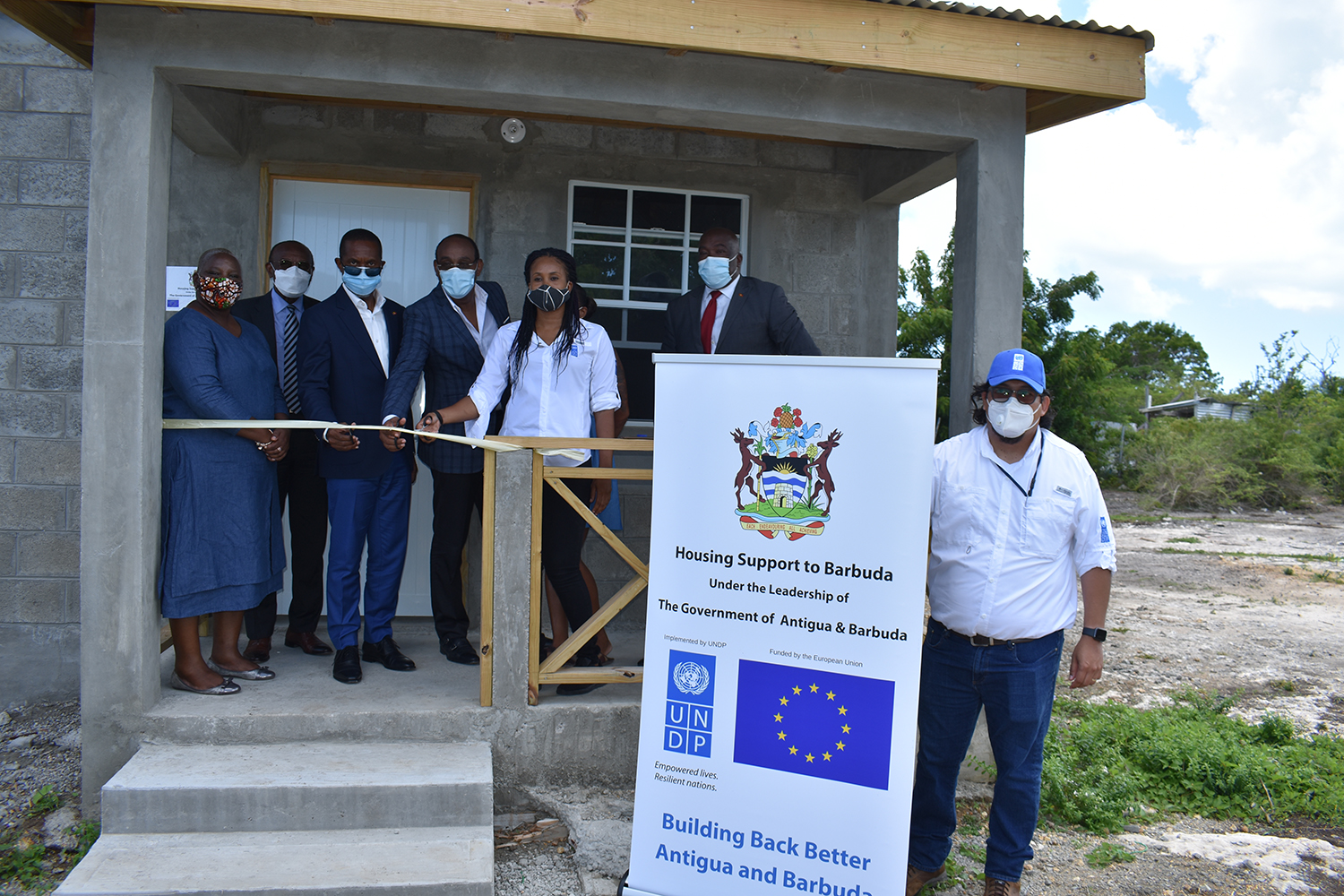
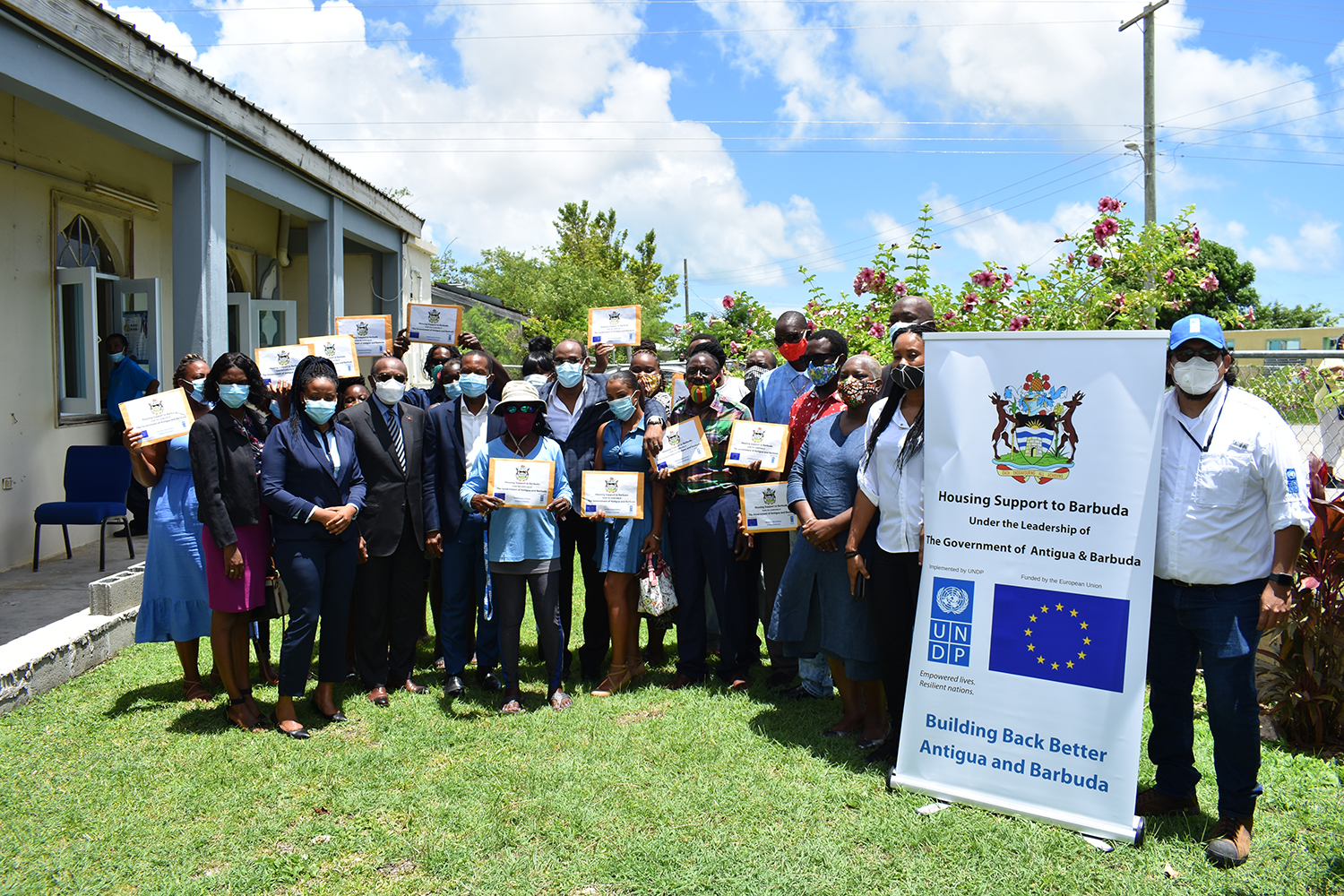
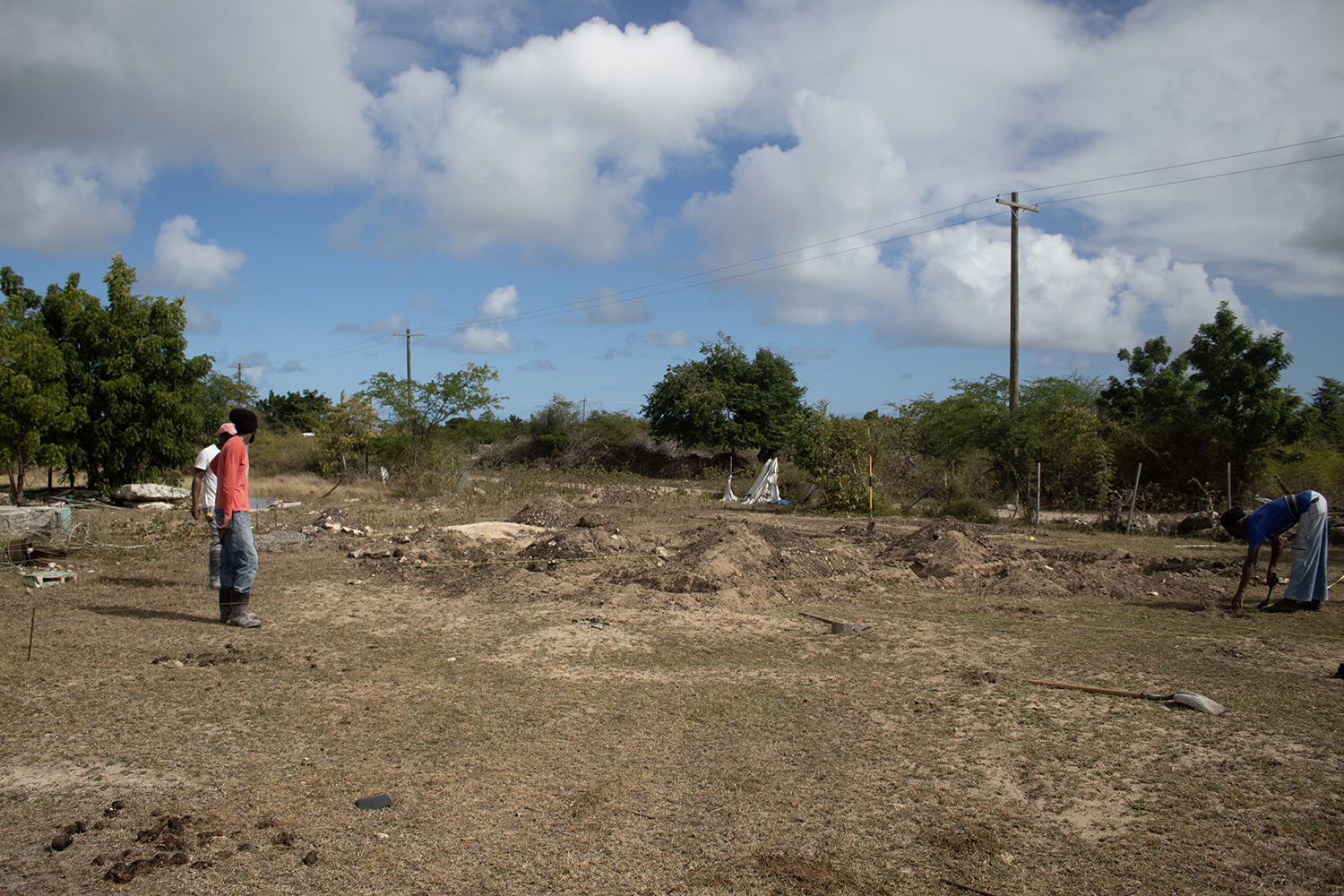
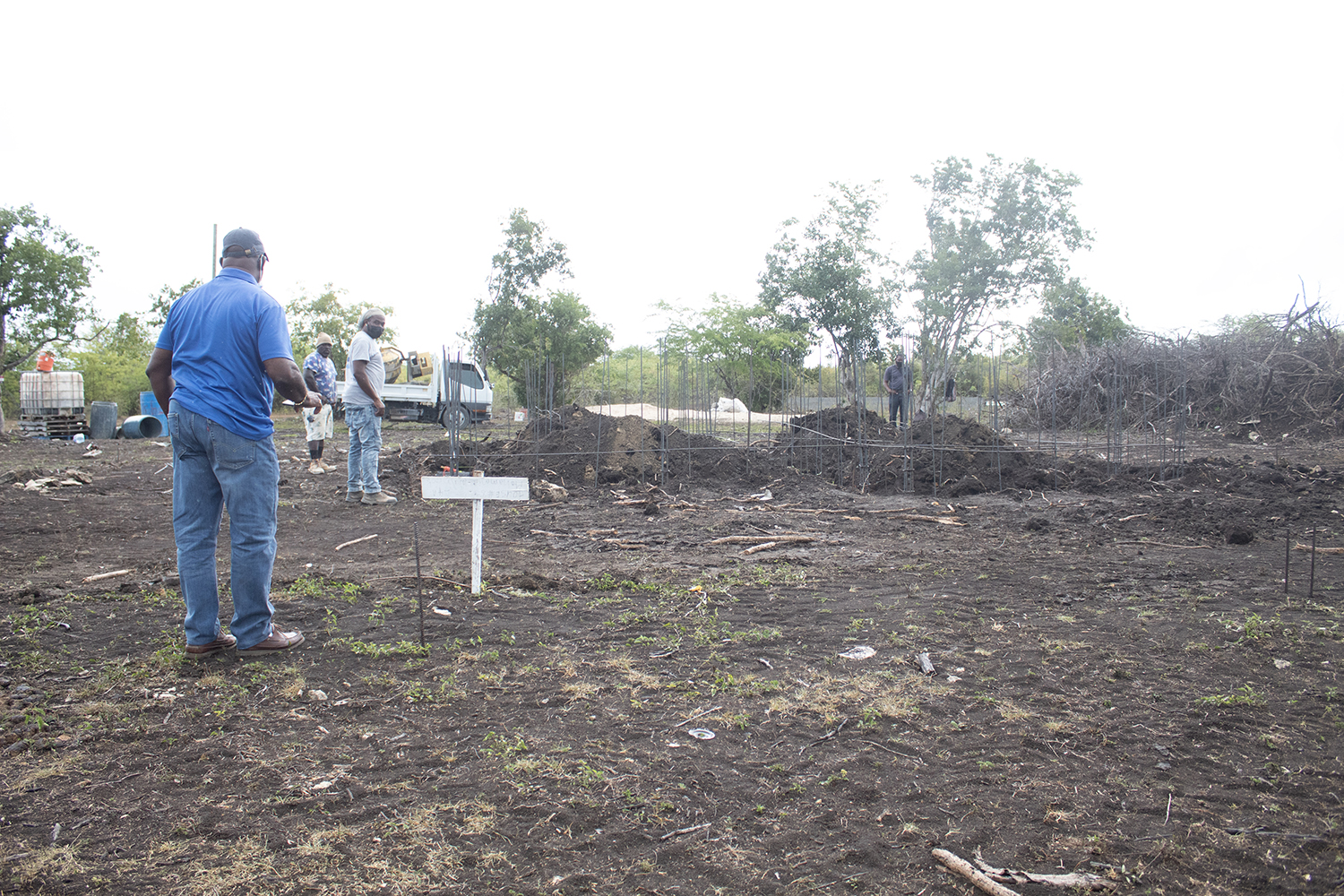
The project will support the efforts of the Government of Antigua and Barbuda in the recovery of post-Hurricane Irma Barbuda through the repair and rebuilding of 150 104 residential structures using the “Build Back Better” (BBB) approach. The project will further contribute to the return of displaced families, the resilience, and ultimately the sustainable development of the hurricane-prone island in the short to long term. The project will adopt a comprehensive approach to effectively meet the needs of the most affected population on the Island of Barbuda.
According to the BDA, conducted in October 2017, 44 percent of buildings on the island were extensively damaged or destroyed (buildings classified as having a Level 3 and Level 4 type of damage), which represents more than half of the houses that were occupied before Irma’s landfall.
The project’s intended outcome, increased disaster resilience for the most vulnerable persons in Barbuda after the impact of Hurricane Irma, will be achieved through the following outputs:
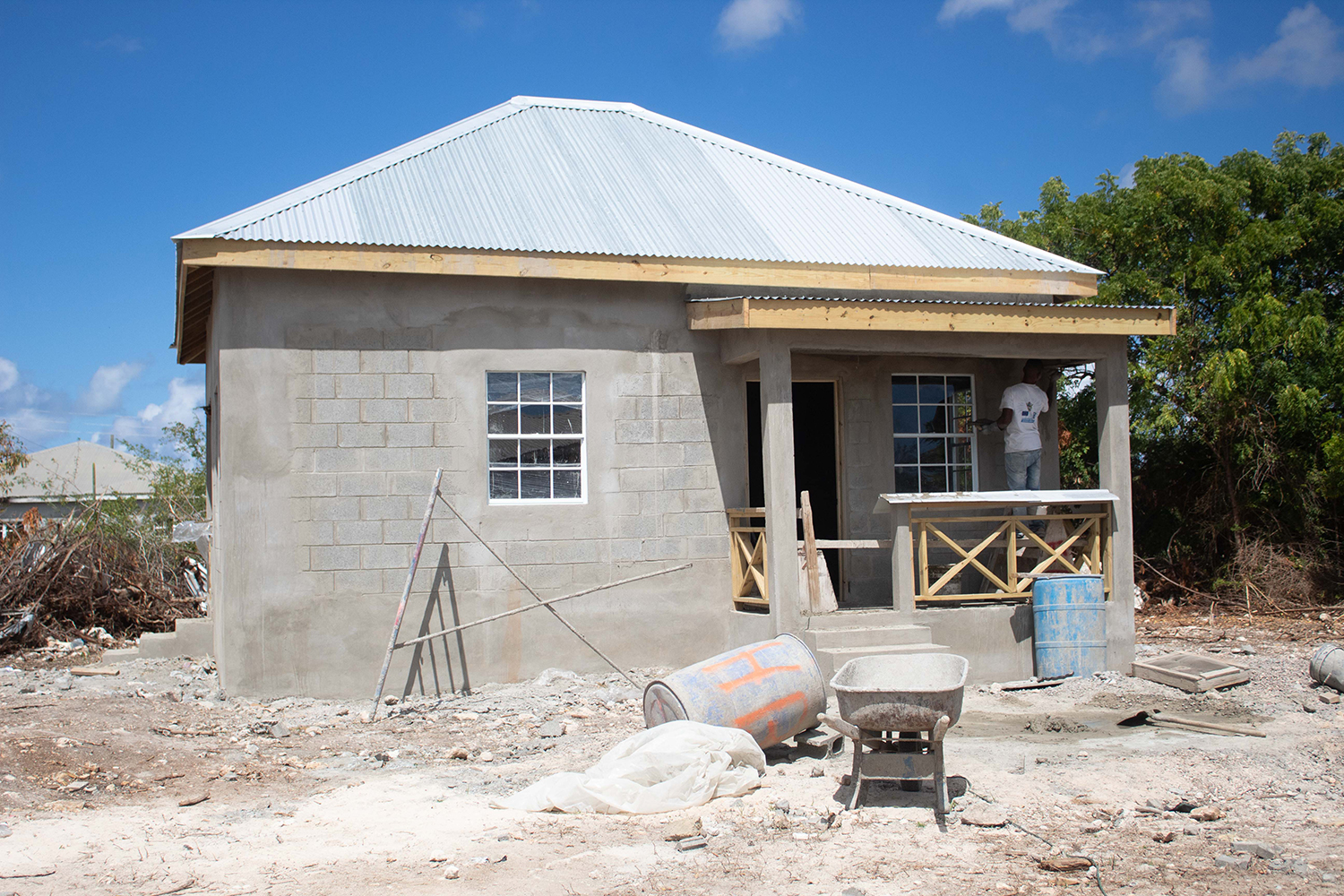
- One hundred and four (104) – private houses of the most vulnerable residents of Barbuda (levels 3 and 4) were repaired/reconstructed.
- The capacity of the local population is enhanced to prevent and/or cope with future shocks through increased knowledge of standardized resilient construction techniques.
As the implementing Agency, UNDP will carry out the implementation of the project in close consultation and collaboration with relevant national authorities, such as the Office of the National Authorizing Officer (ONAO), the National Office of Disaster Services (NODS), the Public Works Department (PWD) (Ministry of Works), the Ministry of Agriculture, Fisheries and Barbuda Affairs, the Development Control Authority (DCA) (Ministry of Housing, Lands and Urban Renewal) and the Barbuda Council.
Housing Sector Effects post Hurricane Irma
The housing sector was the most affected of all sectors. As per the PDNA, the total cost of the effects (combined damage and losses) was valued at EC$ 141,020,867.
Post-Irma Response and Recovery to Date
To sustain the continuous return of vulnerable displaced families to the island, the housing infrastructure must be rebuilt to meet acceptable and more resilient standards. Local expertise must also be harnessed to contribute to the recovery process at all stages. The EU Housing Support to Barbuda Project will aim at facilitating this through:
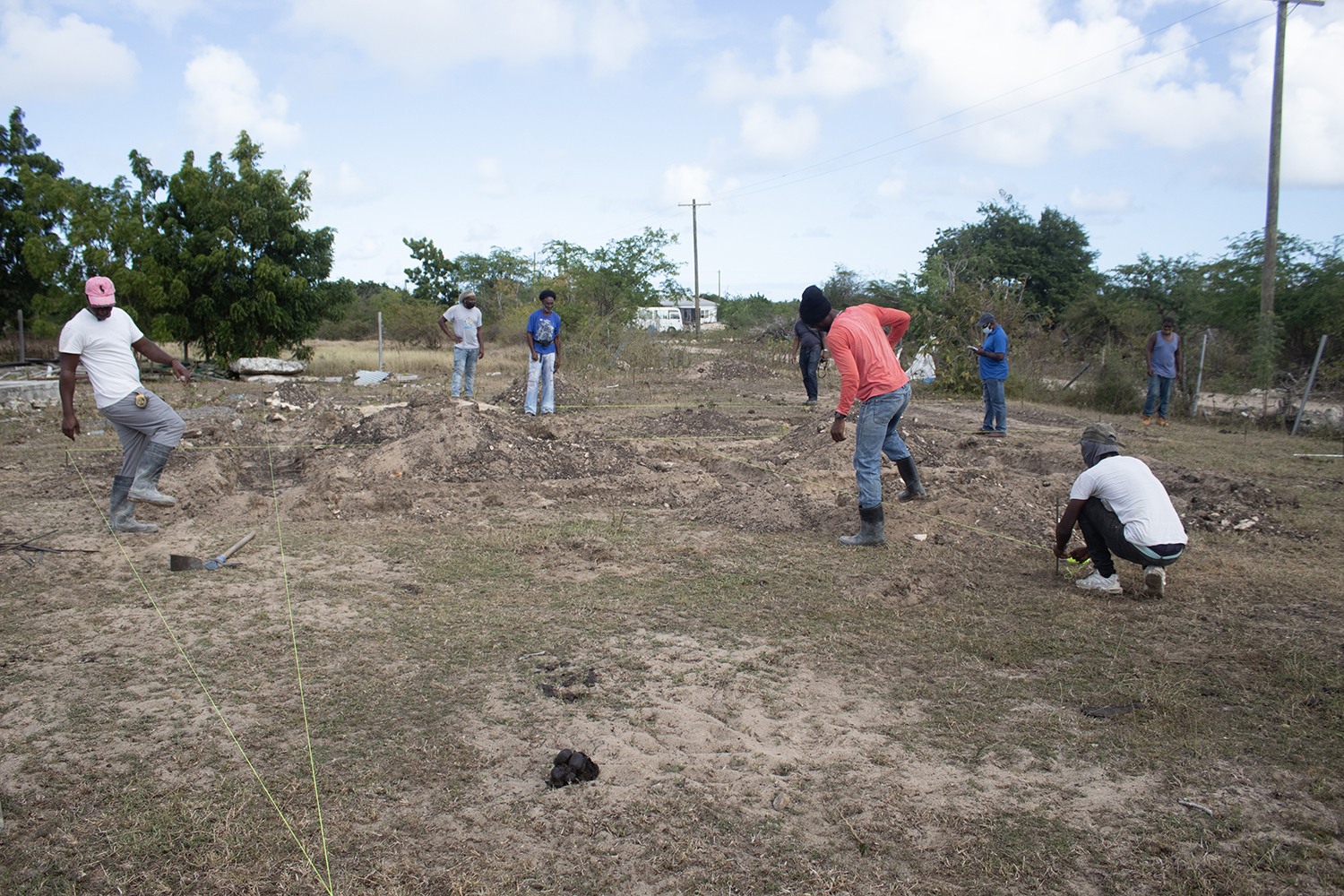
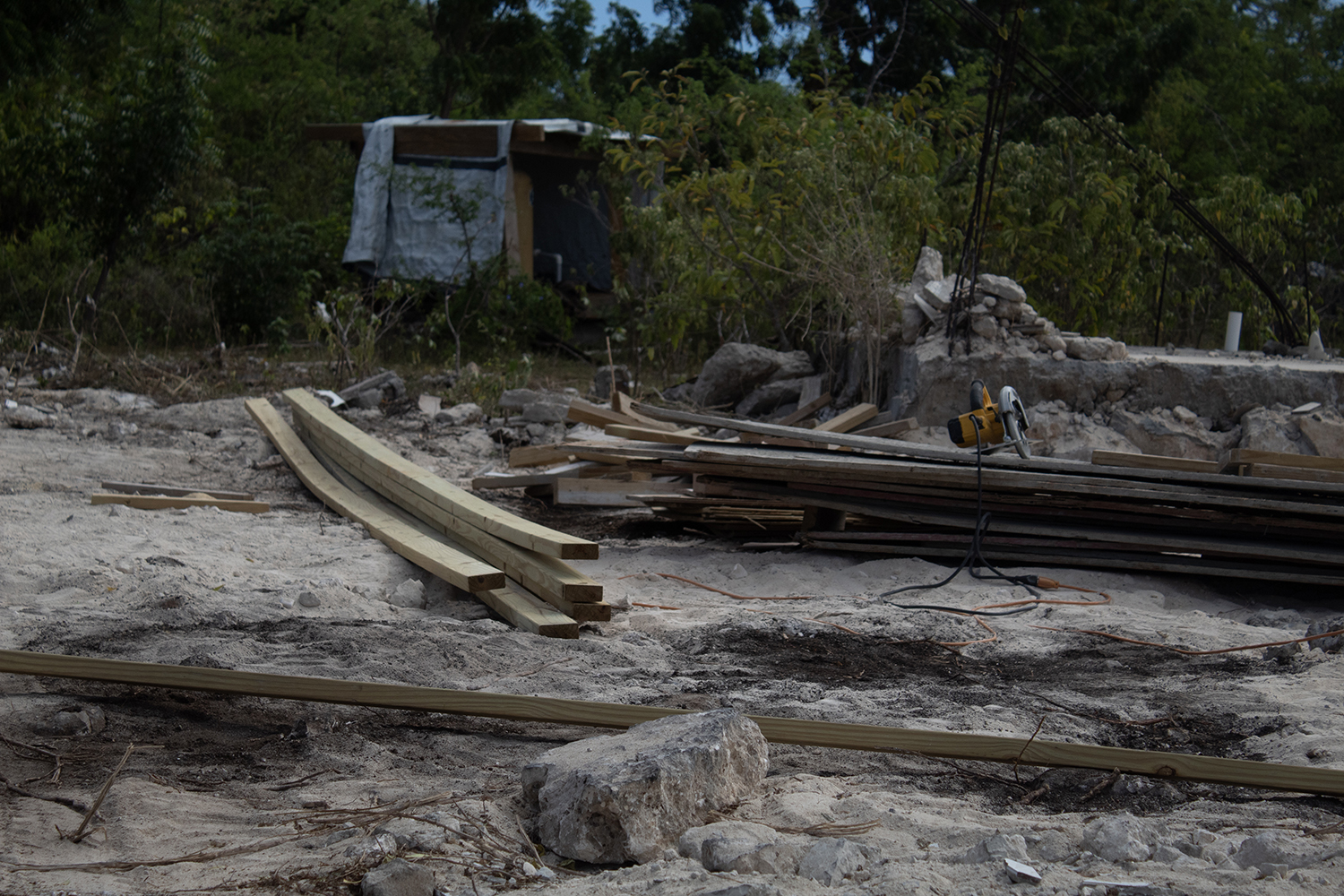
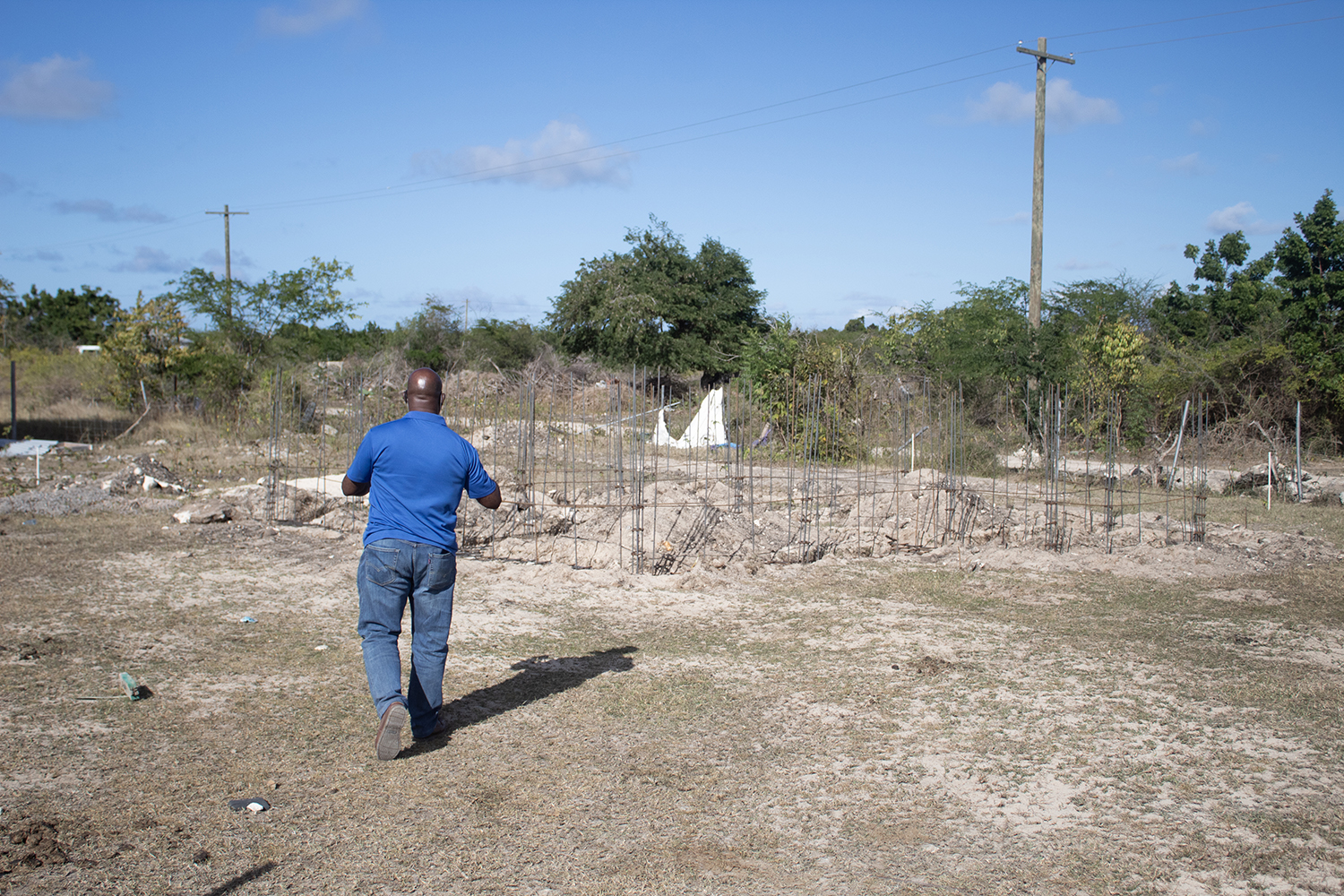
- The repair or complete rebuilding of 150 structures (Levels 3 and 4) – (reduced to 104 homes due to surges in construction costs) in strict accordance with approved
regional building codes and national guidelines and via the mainstreaming of the BBB approach in all stages of the reconstruction process.
- Enriching and complementing the knowledge and capacity of the local population to prevent and/or cope with future disasters.
Specific climate-resistant materials and techniques will be promoted in the reconstruction process to avoid future significant damage in the housing sector. Increasing knowledge of local contractors and residents on standard climate-resilient construction techniques, through a series of tailored training will form an integral part of the design and implementation of the project. In addition to the two core outlined activities, UNDP will advocate for and support the safe management of disaster and construction waste, including via the procurement of a shredder for wood and metal recycling.
Strategy:
This intervention will focus on the repair and rebuilding of 150 homes. Based on the latest ground assessments jointly conducted by UNDP and national and local authorities, several of the buildings previously assessed as presenting a Level 2 (minor) and Level 3-damage (major) under the 2017 BDA exercise, now present a Level 4 damage, which will in most cases require total rebuilding. As a result, the project will target a combination of L3 and L4 structures, averaging 800-1,200 square feet, where the most vulnerable households used to reside before Irma’s landfall.
In addition, through its greening component, the project will implement the planting of locally-adapted trees and foliage in the premises of the repaired or rebuilt houses and in general for all residents of Barbuda, which will include a training component for the involved local population. Finally, in line with its experience and leadership in disaster waste management, UNDP will support the Government of Antigua and Barbuda, in the procurement of a multipurpose shredder, which will be able to manage the large quantities of wood and metal (particularly galvanize sheeting) left in the aftermath of Hurricane Irma.
As part of this intervention, UNDP will further support local authorities with the needed training relating to the operation and maintenance of this equipment.
Results & Partnerships:
One hundred and fifty (150) private houses of the most vulnerable persons in Barbuda (levels 3 and 4) were repaired/reconstructed. This implementation will be done by the UNDP in collaboration with the Office of the NAO, the Public Works Department, the National Office of Disaster Services, the DCA, and the Barbuda Council
The identification and selection process for the targeted structures/beneficiaries will be informed by a combination of pre-determined criteria, which will be administered by a carefully-selected Beneficiary Selection Committee (BSC) under the leadership of the NAO.
This initiative will promote environmentally-friendly practices aimed at protecting the environment and improving the quality of life for residents of Barbuda. Activities will include the planting of locally-adapted trees and foliage in the premises of the repaired or rebuilt houses and in general for all residents of Barbuda.